DIY Handbags: Design Your Own Individual Style Using Easy Tutorials
Do-it-yourself handbags provide an excellent avenue for individuals to express their unique fashion sense. Crafting one's own handbag permits the picking of special textiles and the application of simple sewing techniques. This practice not only encourages creativity but also promotes sustainability through upcycling. However, the true charm lies in the personal touches that can turn a basic bag into a unique fashion accessory. Discovering the various methods to accomplish this can significantly improve one's crafting experience.
Selecting the Correct Materials for Your Handbag
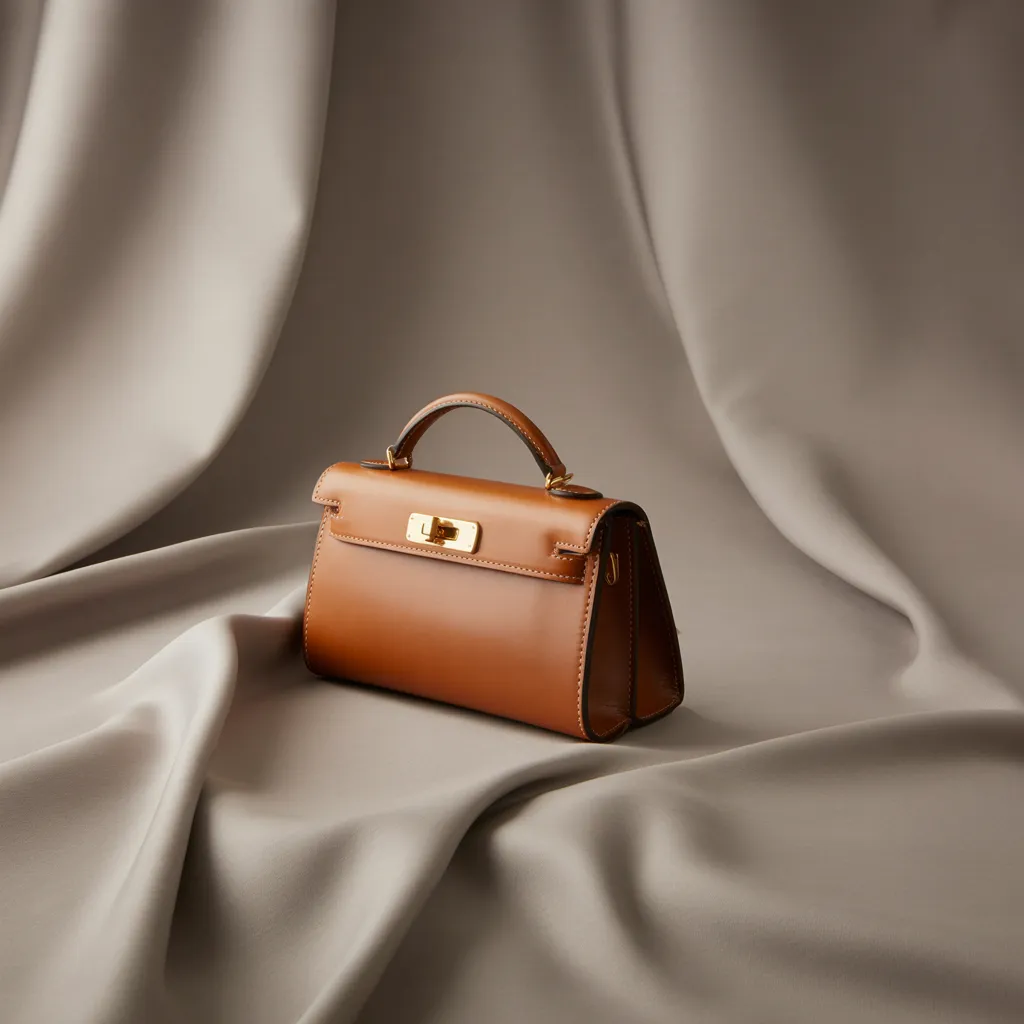
Upon selecting materials for a DIY handbag, it is important to evaluate both functionality and aesthetics. The choice of fabric notably influences the bag's sturdiness and style. Common options include canvas for its strength, leather for a sophisticated appeal, and cotton for a lightweight, casual option. Additionally, considering the handbag's intended use is important; a daily tote may require more durable materials compared to an evening clutch.
Hardware parts likewise play an important role in the overall design. Zippers, clasps, and straps should complement the chosen fabric while maintaining practicality. Color coordination cannot be overlooked; selecting hues that resonate with personal style improves the handbag's visual impact. Texture provides an additional dimension; pairing smooth and textured materials can generate a unique finish. In the end, the right materials don't just satisfy the handbag's purpose but also reflect the maker's creative vision, yielding a one-of-a-kind accessory.
Basic Stitching Skills for Novices
A variety of simple sewing approaches can help beginners to craft their own handbags with confidence. Mastery of the straight stitch is fundamental, offering a strong foundation for sewing seams. Utilizing a sewing machine can streamline this process, enabling greater precision and speed. Beginners should also learn to backstitch, which reinforces seams and avoids unraveling.
An additional key approach is utilizing pins or clips, which assist in holding fabric pieces together during sewing, ensuring accuracy. Novices can additionally try the zigzag stitch, perfect for completing unfinished edges to avoid unraveling.
Familiarity with basic hand-sewing methods, including the whip stitch and slip stitch, can enhance capabilities and offer alternatives when a sewing machine is not available. By working on these skills, new crafters can build their confidence and create attractive handbags, paving the way for more advanced projects in the future.
Upcycling Pre-loved Fabrics Into Fashionable Bags
Converting used fabrics into chic bags delivers a sustainable way to create unique accessories while minimizing waste. This creative process includes repurposing unwanted textiles, such as outdated clothing, table linens, or fabric remnants, transforming them into stylish handbags. Makers can choose various materials, allowing for a diverse range of textures and patterns that reflect their personal style.
The expert advice opening phase requires assembling proper textiles, after which comes designing the pattern. Elementary styles, such as carryalls or coin purses, suit newcomers ideally. Through applying fundamental stitching methods, anyone can assemble these fabrics, guaranteeing strength and functionality. Furthermore, strengthening stitches and incorporating inner layers can improve the bag's performance.
This strategy not only promotes environmental consciousness but also stimulates creativity, as each bag conveys a unique story through its fabric's history. Upcycling old fabrics creates one-of-a-kind handbags that stand out in a world of mass-produced accessories.
Including Individual Touches and Embellishments
Whereas making a handbag from upcycled fabrics can be fulfilling by itself, adding personal touches and embellishments transforms each piece into a real reflection of the maker's personality. Including unique elements, such as manually sewn designs, fabric appliqués, or embroidered initials, permits individuals to demonstrate their creativity. Additionally, using surprising materials like beads, buttons, or charms can enhance the handbag's aesthetic appeal and make it distinctive.
Vibrant trims, tassels, or contrasting stitching can also add dimension and visual intrigue. The choice of embellishments should complement the overall design theme, ensuring a cohesive look. Moreover, integrating functional elements, such as pockets or detachable straps, can enhance the handbag's practicality. Finally, these features not only elevate the handbag's style but also create a narrative that binds the maker to the finished product, making each handbag a cherished accessory.
Showcasing Your Finished Handbag Designs
Upon completion of the crafting process, presenting finished handbag designs serves as an essential step in honoring creativity and skill. This phase helps creators to emphasize their unique styles and craftsmanship. Multiple platforms can be used for presenting, including social media, craft fairs, and online marketplaces.
Photography plays a crucial role; high-quality images that highlight details and colors can effectively attract an audience. In addition, creators might contemplate styling the bags with outfits to showcase flexibility and charm. Engaging with local fashion communities or joining workshops can further enhance recognition and admiration for the designs.
Input from colleagues and prospective clients can deliver valuable insights, promoting improvement and innovation in future projects. In the end, showcasing handbags not only highlights individual artistry but also develops a sense of connection within the crafting community, inspiring others to begin their own DIY projects.
Frequently Asked Questions
What Tools Are Required for Handbag Making?
To make a handbag, key tools include a sewing machine, fabric scissors, a rotary cutter, cutting mat, pins, measuring tape, and thread. Supplementary tools like interfacing and hardware can elevate the design and durability.
What's the Time Required to Finish a DIY Handbag?
Completing a DIY handbag takes varying amounts of time, typically ranging from a few hours to several days. Factors influencing this include design intricacy, chosen materials, and the craftsperson's ability and background with sewing techniques.
Can I Use Leather for My DIY Handbag?
Yes, leather can be used for DIY handbags. It brings durability and a sophisticated aesthetic. However, one needs to think about the required tools and techniques for working with leather, as it calls for particular expertise and supplies.
Where Can I Discover Creative Ideas for Handbag Designs?
Sources of inspiration for handbag designs include fashion magazines, online platforms including Pinterest and Instagram, local artisans' markets, and through nature's colors and textures, allowing for diverse creativity and personal expression in unique styles.
Are There Any Online Communities for DIY Handbag Enthusiasts?
Countless online communities are out there for DIY handbag enthusiasts, including devoted forums, Facebook groups, and platforms including Pinterest and Instagram, where members post concepts, tutorials, and creative ideas, encouraging creativity and collaboration among crafters across the globe.